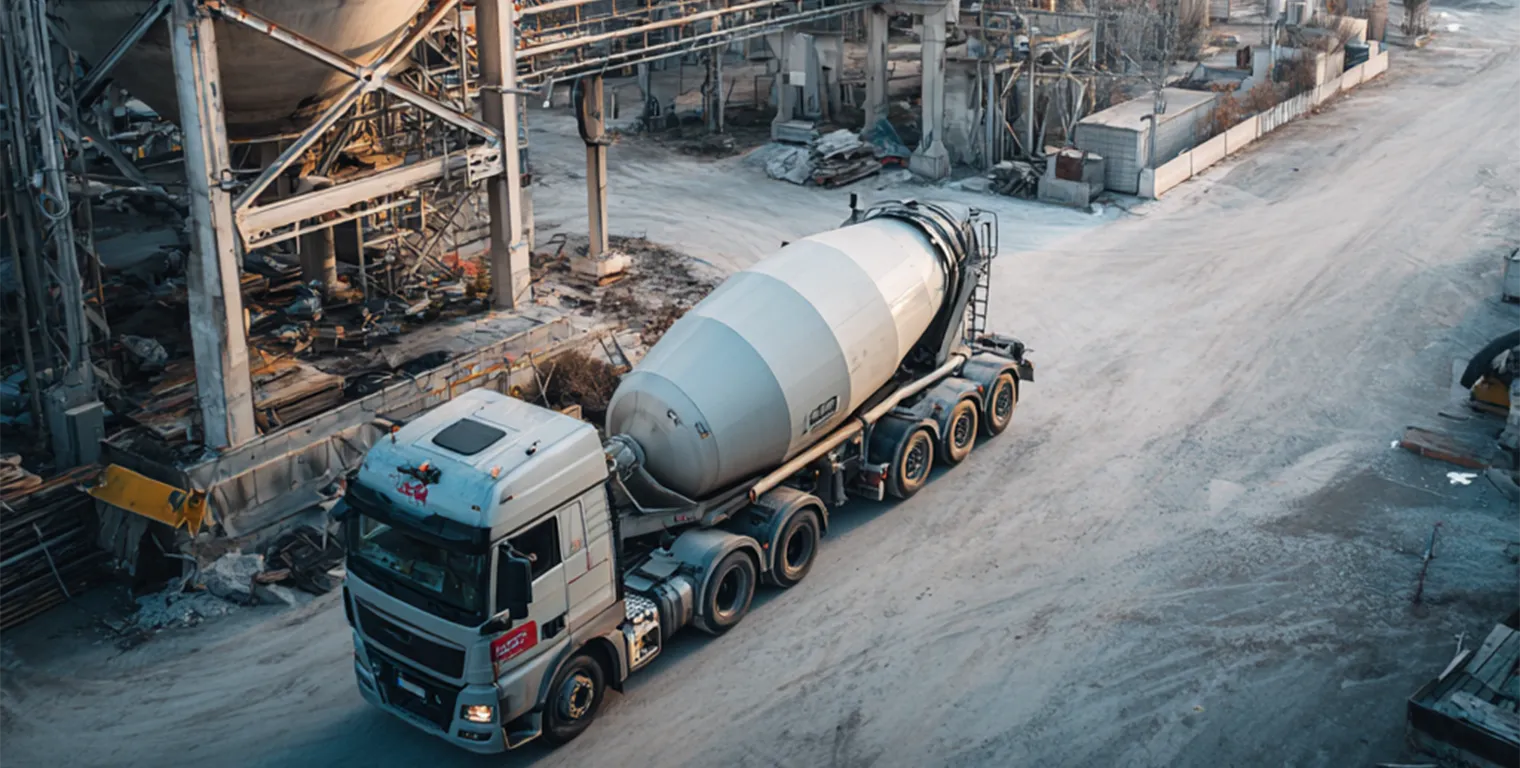
Ready-mix concrete requires consistent workability, controlled setting behavior, and reliable strength development throughout transportation and placement. Chemical admixtures play a critical role in maintaining slump retention during long-distance delivery and minimizing water demand while ensuring pumpability. Polycarboxylate-based superplasticizers enable high water reduction without compromising flow, improving density and reducing permeability of hardened concrete.
In ready-mix applications, slump retention is often more important than initial fluidity. Tailor-made admixture systems help stabilize dispersion of cement particles, reducing rapid slump loss caused by temperature fluctuations or varying cement compositions. Air-entraining agents may be incorporated to improve freeze-thaw durability, particularly in infrastructure exposed to harsh climates.
Additionally, viscosity-modifying additives are commonly used in high-flow ready-mix concrete to prevent segregation and bleeding. These additives enhance cohesion, allowing stable pumping in high-rise construction or congested reinforcement zones. For projects requiring early strength, accelerators or early-strength enhancers can be introduced without negatively affecting long-term performance.
Durability improvement is another key objective. Proper admixture selection reduces shrinkage cracking, enhances sulfate resistance, and improves long-term mechanical properties. This is particularly important for commercial buildings, transportation infrastructure, and large-volume pours.
Overall, chemical admixtures for ready-mix concrete optimize workability, extend open time, reduce water content, and improve durability. The result is more efficient construction operations, improved structural performance, and reduced material consumption, making ready-mix concrete systems both economical and reliable across diverse construction environments.
 English