Concrete producers rarely select a superplasticizer based on water reduction alone. Cement composition, aggregate quality, transportation time, ambient temperature, batching equipment and the required strength development can all affect the final result.
A suitable PCE superplasticizer should therefore match the actual production system rather than simply offer the highest technical value on a product data sheet. For ready-mix plants, precast factories and dry-mix manufacturers, a structured selection process can reduce trial costs and improve production consistency.
What Is a PCE Superplasticizer?
PCE refers to polycarboxylate ether, a type of high-performance water-reducing admixture used in modern concrete and cement-based formulations. It improves the dispersion of cement particles, allowing concrete to maintain the required flowability with less mixing water.
Compared with conventional water reducers, PCE technology offers greater flexibility in controlling water reduction, workability and slump retention. Different molecular structures and formulations can be developed for specific production requirements.
However, not every PCE formulation performs the same way. A product designed for high water reduction may not provide the slump retention needed for long-distance transportation. Similarly, a formulation developed for ready-mix concrete may not be suitable for dry-mix mortar.
Start with the Required Concrete Performance
The first step is to define what the admixture must achieve in the final concrete.
High Water Reduction
A high-water-reducing formulation is suitable when the main objective is to lower the water-cement ratio while maintaining flowability. This is commonly required in high-strength concrete, precast components and UHPC formulations.
Reducing water can support improved concrete density and strength development, but the mix must still be checked for segregation, bleeding and finishing performance.
Extended Slump Retention
Ready-mix concrete transported over longer distances may require a slump-retaining formulation. The required retention time should be determined according to transportation distance, temperature, waiting time and site placement conditions.
Using an unsuitable product may result in rapid slump loss or excessive retardation, even when the initial flow appears acceptable.
Early Strength Development
The curing process, cement type and supplementary cementitious materials should also be considered during product evaluation.
Choose Between Liquid and Powder PCE
PCE products are commonly supplied in liquid and powder forms, but the two formats serve different manufacturing systems.
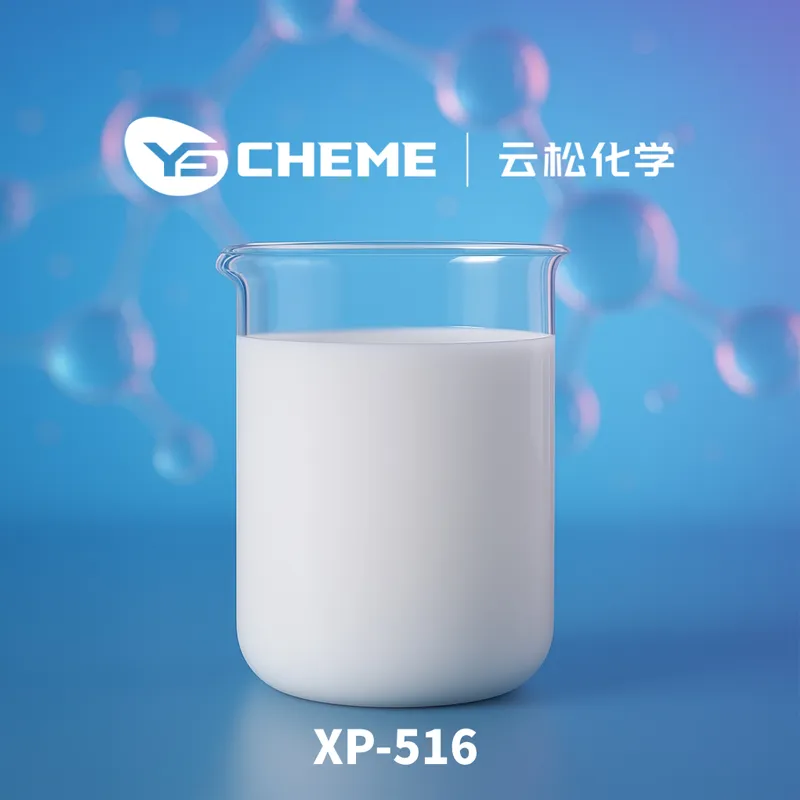
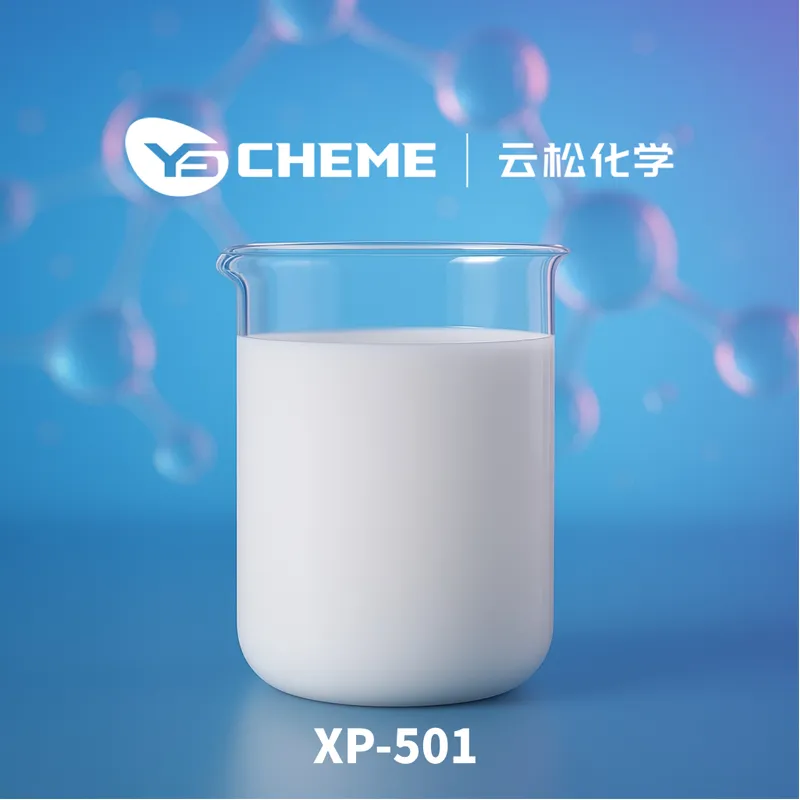
Liquid PCE
Liquid PCE integrates directly into wet batching systems and is commonly used in:
Ready-mix concrete plants
Precast concrete factories
High-performance concrete
UHPC production
Pumped concrete
It allows accurate dosing through liquid admixture systems and can be adjusted for different water-reduction and slump-retention requirements.
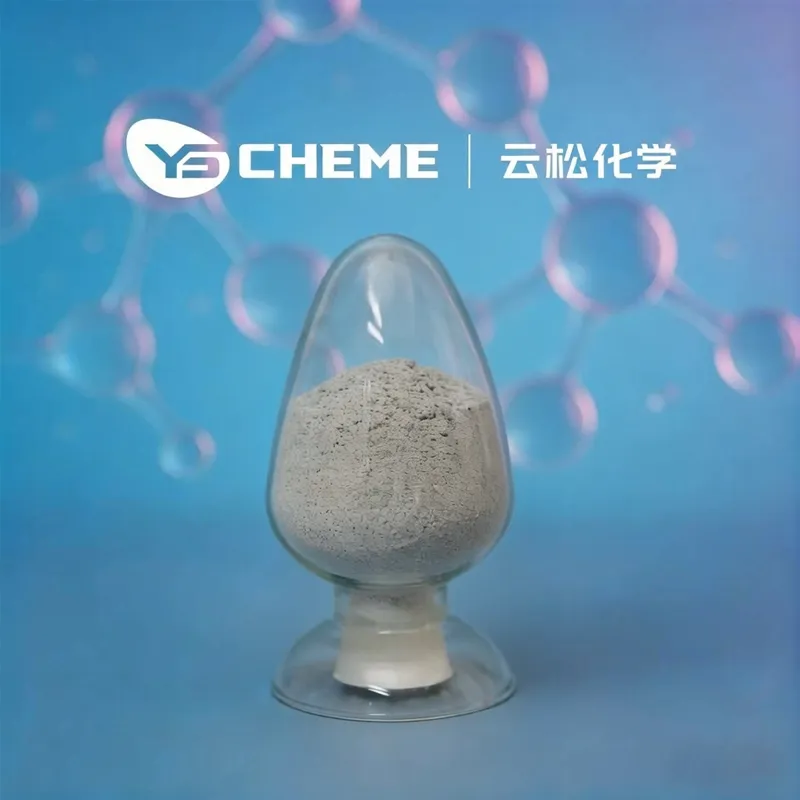
Powder PCE
Superplasticizer powder can be blended directly with dry raw materials. It is generally selected for:
YSCHEME’s product range includes liquid PCE solutions for concrete batching and powder PCE grades for dry-mix and cement-based production systems.
Evaluate Cement and Raw Material Compatibility
The same admixture can perform differently with different cement and aggregate systems. This is why laboratory testing should be completed before bulk procurement.
Important variables include:
Cement source and mineral composition
Supplementary cementitious materials
Aggregate grading
Clay or fine-particle content
Water quality
Other admixtures used in the formulation
Compatibility testing should evaluate initial flow, flow retention, setting behavior, air content, bleeding, segregation and strength development.
A product should not be approved only because it performs well in water or cement paste. The final decision should be based on trial concrete prepared with the actual project materials.
Compare Total Production Value, Not Unit Price Alone
Procurement teams often compare PCE products by price per kilogram or price per ton. This approach may overlook dosage efficiency and production impact.
A lower-priced product may become more expensive if it requires a higher dosage, causes inconsistent slump or increases rejected batches. A more suitable formulation may reduce corrective adjustments, improve batching stability and support more predictable concrete performance.
When comparing suppliers, calculate the cost per cubic meter of finished concrete rather than evaluating the admixture price alone.
Other commercial factors should also be reviewed:
Confirm Dosage Through Controlled Trials
Supplier dosage recommendations should be treated as a starting range. The final dosage needs to be established through laboratory and production trials.
A practical trial process may include:
Establishing a control mix without PCE.
Testing several dosage levels.
Measuring initial slump or flow.
Rechecking workability at planned intervals.
Monitoring setting, bleeding and segregation.
Testing early and later-age strength.
Conducting a small production-scale batch.
Only one variable should be changed at a time. This makes it easier to identify whether a performance difference comes from dosage, water content, raw materials or another admixture.
Information to Provide Before Requesting a Recommendation
Concrete producers can improve supplier recommendations by providing complete application information, including:
Concrete or mortar application
Cement type and source
Mix proportions
Target water-reduction level
Initial slump or flow requirement
Required slump-retention time
Ambient and concrete temperature
Target strength
Existing admixtures
Current production problem
The more accurately the production conditions are described, the easier it is to identify an appropriate PCE superplasticizer formulation.
FAQs
Is one PCE formulation suitable for every type of concrete?
No. Different applications may require high water reduction, extended slump retention, early strength or improved compatibility with specific cement systems.
Can liquid PCE be used in dry-mix mortar?
Liquid PCE is mainly suited to wet batching systems. Powder PCE is generally more practical for factory-blended dry-mix mortar and bagged cementitious products.
Why does PCE performance change when the cement source changes?
Cement chemistry, fineness and supplementary materials influence admixture adsorption and dispersion. A change in cement source may therefore require compatibility testing and dosage adjustment.
Should the product with the highest water reduction always be selected?
Not necessarily. The best product is the one that balances water reduction, slump retention, setting behavior, stability, strength and production cost.
Conclusion
Selecting the right PCE superplasticizer requires a clear understanding of the production system, target concrete performance and local raw materials. Product form, dosage, compatibility and slump-retention requirements should all be validated through controlled trials before bulk use.
 English