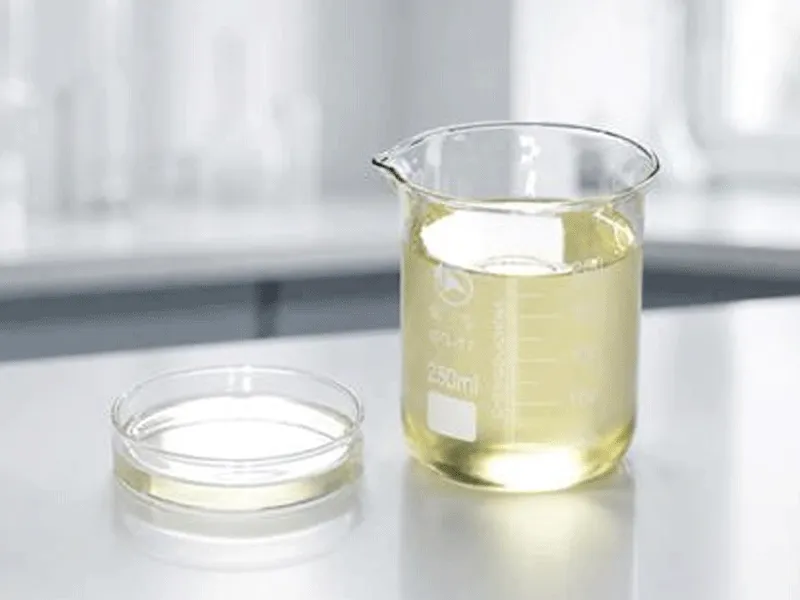
Purchasing liquid polycarboxylate superplasticizer (PCE) in bulk without testing it with local materials can lead to unexpected dosage increases, rapid slump loss or inconsistent concrete performance. Even a well-manufactured product may behave differently when the cement source, binder blend or aggregates change.
Before confirming a bulk order, ready-mix and precast producers should evaluate water reduction, workability retention, dosage efficiency, setting behavior and strength. The aim is to identify a formulation that meets the actual production requirements consistently, rather than selecting the sample with the highest initial flow.
YSCHEME offers liquid polycarboxylate superplasticizer solutions that can be adapted to local cement systems and application targets. This guide outlines a practical route from laboratory screening to a production trial and purchase decision.

What Is PCE Compatibility Testing and Why Is It Important?
PCE compatibility testing evaluates how a specific admixture performs with the intended cementitious materials and concrete mix. Polymer structure, cement chemistry, particle characteristics and mixing conditions all influence the result. Compatibility is a property of the combined system, not a quality rating that applies to the admixture in isolation.
Warning signs include unusually high dosage demand, poor flow, rapid slump loss, excessive delayed flow, bleeding, segregation or unsuitable setting behavior. These observations call for investigation of the materials and test conditions before a product is accepted or rejected.
ASTM C494/C494M-24 recommends supplementary purchaser testing with the proposed job materials and production conditions where practicable, because admixture effects vary with the other concrete ingredients. Supplier data provides a starting point; local trials establish whether the proposed product fits the application.
Define Acceptance Criteria Before Testing
Agree on the target initial workability, the acceptable range at placement, required working time, air content, setting window and strength requirements. Ready-mix trials should reflect transport and placement; precast trials should also address finishing, curing and the strength needed for demoulding. Add durability-related tests where the project requires them.
What Tests Should Be Performed Before Bulk Purchasing Liquid PCE?
Prepare Representative Materials and a Reference Mix
Use the intended cement source, supplementary cementitious materials, aggregates, water and other admixtures. Record material batch identities, aggregate moisture corrections, concrete temperature, mixing sequence and timing. Keep these conditions consistent across comparisons.
Confirm whether the PCE sample is a finished admixture or a concentrate requiring formulation. Record dosage by the stated cement or binder mass basis, and distinguish as-supplied liquid dosage from solids-based dosage. If dosing by volume, use the product density to compare consumption accurately.
Build a Test Programme Around the Application
Test | Comparison approach | Decision supported |
Water reduction | Reference and trial mixes at equivalent consistency | Verified reduction in water demand |
Slump retention | Comparable initial workability and controlled agitation | Workability through placement |
Dosage response | Several doses within supplier guidance | Practical operating range and cost |
Fresh-mix quality | Air content, bleeding and segregation | Stability beyond flow alone |
Setting and strength | Required setting window and strength ages | Construction schedule and quality |
Use the applicable project test methods. This table is a planning guide, not a complete standard compliance test programme.
Separate Water Reduction from Retention
Evaluate water reduction against an appropriate reference mix at equivalent target consistency. Request the grade, dosage, reference mixture and test method behind each reported value, then verify performance with the intended materials.
For retention comparisons, hold the water-to-cementitious-materials ratio fixed and adjust each candidate within its recommended range to reach comparable initial workability. Record measurements through the required working window. For example, 30, 60, 90 and 120 minutes may suit screening, but these are not universal acceptance times. Record all later water or admixture additions separately.
How Do Cement Properties Affect PCE Compatibility?
Cement chemistry and particle characteristics can change how PCE adsorbs and disperses the binder. No single cement parameter reliably predicts the performance of every formulation, so evaluate the actual cement system.
Material factor | Potential effect | Practical check |
C₃A content and sulfate balance | Changes in adsorption and workability | Test the actual cement source |
Cement fineness | Changes in surface area and dosage demand | Compare performance after source changes |
Fly ash, slag or silica fume | Changes in dispersion and mix response | Use the intended blend and proportions |
Aggregate fines and moisture | Changes in water demand and consistency | Control fines and correct batch water |
Finer cement may require dosage adjustment because more particle surface is exposed, but the effect also depends on chemistry and the formulation. Supplementary cementitious materials may improve or reduce workability depending on their properties and proportions. Avoid drawing conclusions from cement fineness or mineral addition type alone.
How Should You Interpret Compatibility Test Results?
Choose a Stable Operating Range
Compare the entire workability curve, not only the first or last reading. Check whether a modest dosage change causes excessive flow, segregation or delayed setting. A useful product should meet the agreed requirements over a practical range of normal production variation.
Repeat promising trials and, where practical, include representative material or product batches. Assess cost per cubic metre at the validated dosage. Do not reduce cement content or assume long-term durability solely because a water-reduction result looks favourable; any revised mix must satisfy the full project requirements.
Confirm Performance in a Plant Trial
The ACI guidance on full-size trial batches recommends making them before work starts so proportions can be adjusted if needed. Check that laboratory results carry over to plant mixing, transport, discharge and the intended curing conditions.
If performance is inconsistent, first review water corrections, temperature, dosing and mixing sequence. Then investigate material compatibility and discuss formulation changes with the supplier. An unexplained mismatch should be resolved before committing to routine bulk supply.
How to Choose the Right PCE Supplier After Compatibility Testing?
Request the current TDS, a representative batch COA, product identification, storage guidance and shelf life. Agree on the specification and how batch consistency will be assessed. Confirm traceability, sample retention and the process for reporting formulation changes or investigating a performance complaint.
Evaluate technical response, supply capacity, lead time and support for production trials. The final choice should combine demonstrated local performance with reliable supply and a clear procedure for handling deviations.
YSCHEME provides PCE solutions and application support for different cement systems and concrete requirements. Share the trial results and operating conditions to discuss whether dosage adjustment or another formulation is appropriate.
FAQ About Liquid PCE Compatibility Testing
Why does the same PCE perform differently with different cement?
Cement chemistry, sulfate balance, fineness and binder additions can change adsorption and dispersion. Temperature, aggregates and mixing conditions also affect the result.
How much water reduction can liquid PCE achieve?
The result depends on the grade, dosage, reference mixture and test conditions. Use verified data for the proposed product and confirm it in local trials.
How long should compatibility testing take?
Fresh-property screening can be completed during a trial session, but selection also requires the specified strength results and production validation. Short-term slump tests cannot confirm long-term performance.
Can supplier dosage recommendations be used directly?
Treat them as the starting range for trials. Verify the dosage basis and adjust within supplier guidance using the intended materials and conditions.
What is the most important compatibility test?
No single test is sufficient. Water reduction and retention must be considered with stability, air content, setting and required strength. The application determines which limits are critical.
Is cement paste testing enough before a bulk order?
No. Paste or mortar testing can help screen candidates, but concrete trials and plant validation are needed to assess the intended production mix.
How should I choose a liquid PCE supplier?
Choose a supplier with consistent product quality, documented local trial performance, responsive technical support and reliable supply. Agree on batch acceptance and change notification before ordering.
Discuss Your Local Cement and Trial Requirements
Send your cement and binder details, mix proportions, temperature range, required workability time and trial results to sales@yschempro.com. Request a suitable liquid PCE sample and current technical data before confirming a bulk order.
 English